Get guidance on cleaning chemistry selection, substrate compatibility, process conditions, and product evaluation for your industrial applications.
Industrial cleaning performance depends on the relationship between chemical formulation, substrate materials, contamination characteristics, and operating conditions. Our product-focused technical guidance helps customers identify suitable options for evaluation.
Evaluate suitable industrial cleaning chemicals based on residue type, substrate materials, and application requirements.
Review cleaning methods and operating considerations for spray, immersion, and ultrasonic applications.
Consider how cleaning chemistry may interact with metals, alloys, and sensitive component surfaces.
Identify relevant performance criteria and validation steps before adopting a cleaning product in production.
From cleaning chemical evaluation to process guidance, our support approach considers the practical requirements of industrial manufacturing and the importance of validating product suitability under actual operating conditions.

Selecting the right industrial cleaning chemical starts with understanding the application. Different contaminants, substrate materials, and cleaning processes require different chemical properties.
Cleanova Chem helps customers evaluate suitable cleaning formulations based on their operating conditions and performance requirements.
Key Considerations
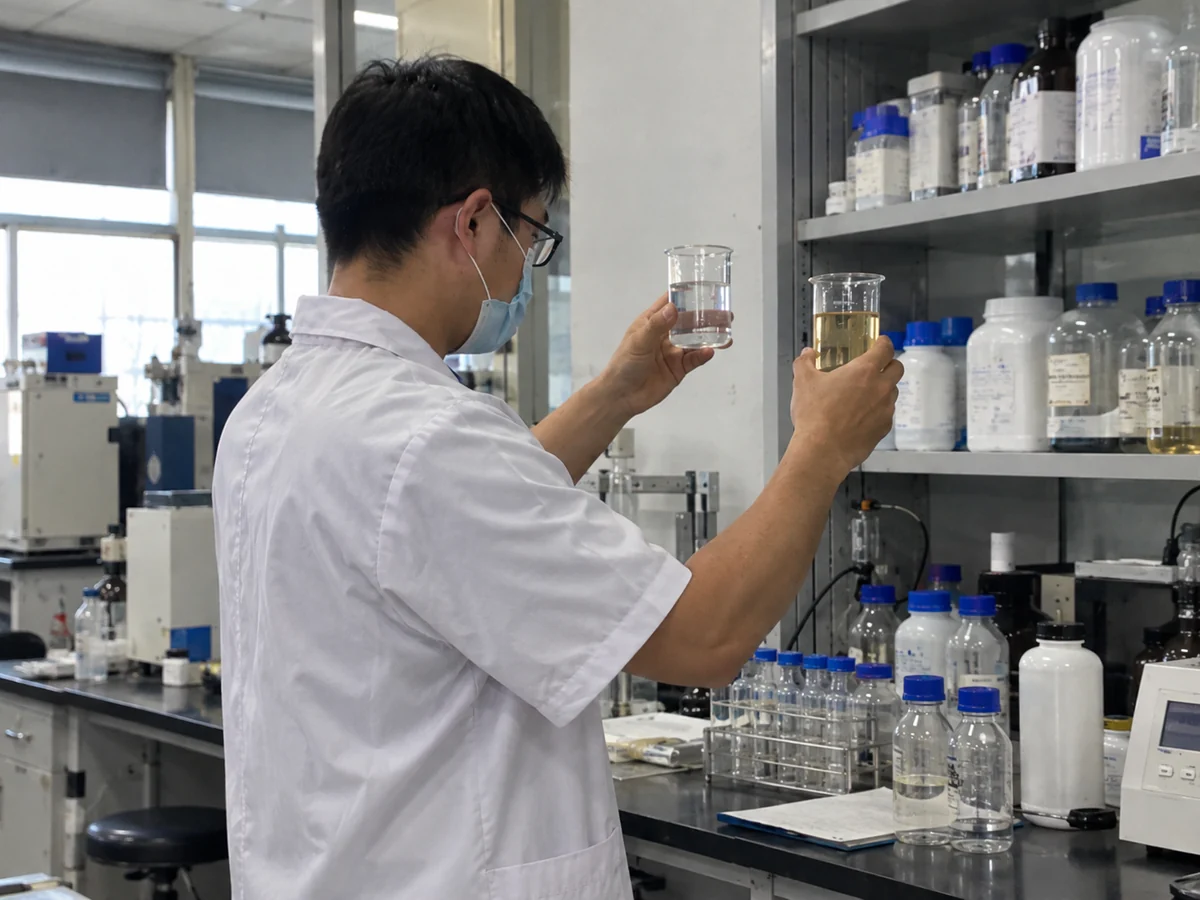
Cleaning performance is only one part of chemical selection. A cleaning product must also be evaluated for compatibility with the materials being processed.
Aluminum, copper alloys, stainless steel, and precision components may respond differently to cleaning chemistry under different operating conditions.
Representative substrates and actual process conditions should be used to evaluate candidate products before production use.
Key Considerations
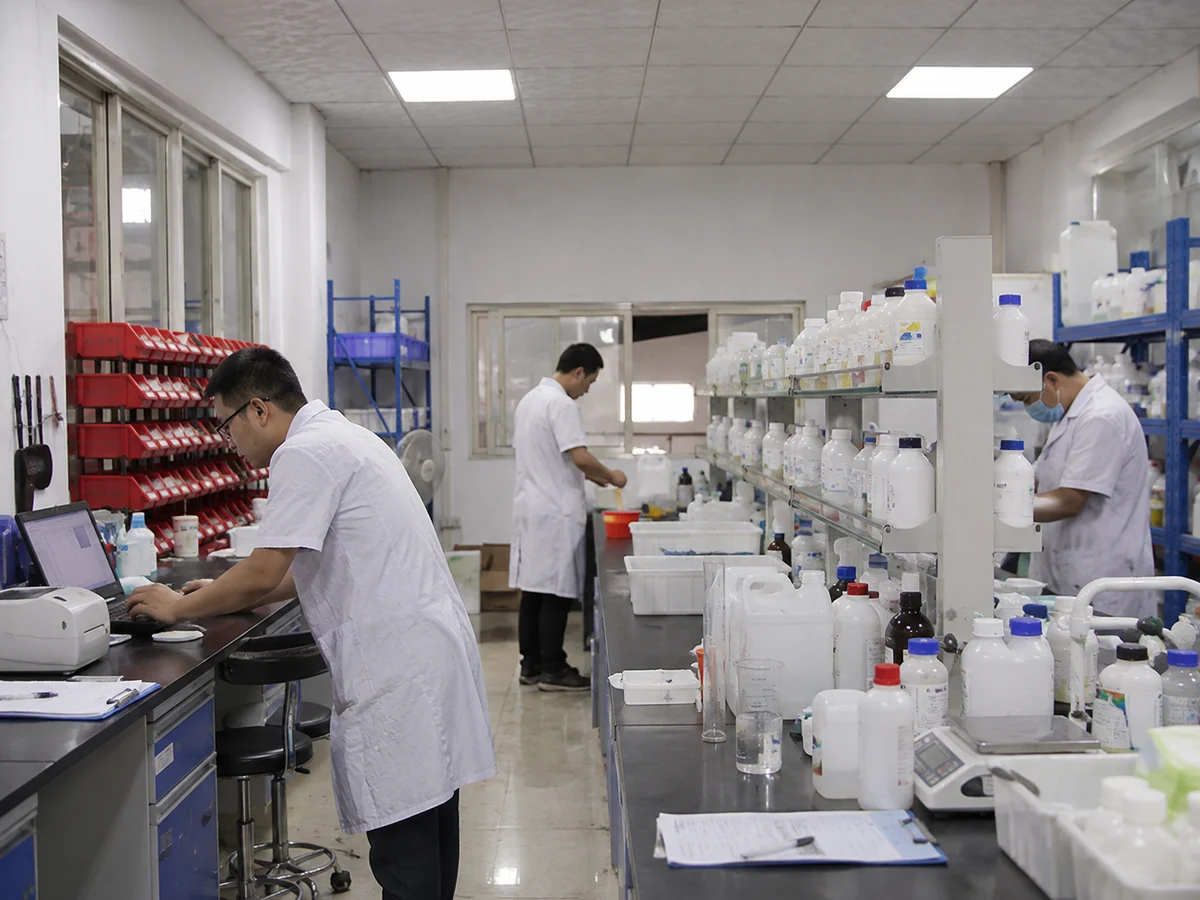
Effective industrial cleaning depends on more than selecting a chemical product. Cleaning concentration, operating temperature, contact time, equipment configuration, and rinsing conditions can all influence results.
Cleanova Chem provides product-related technical guidance to help customers assess suitable cleaning methods and operating conditions.
Key Considerations
A suitable cleaning product should be selected according to the substrate, contamination, cleaning equipment, operating conditions, and required surface quality. These factors should be reviewed together rather than considered independently.
| Evaluation Factor | What to Consider |
|---|---|
| Substrate Material | Steel, aluminum, copper alloys, glass, or other sensitive surfaces |
| Contamination Type | Machining oil, grease, cutting fluid, polishing compounds, flux, or other process residues |
| Cleaning Method | Spray, immersion, ultrasonic, or manual cleaning |
| Operating Conditions | Concentration, temperature, contact time, and mechanical action |
| Surface Requirements | Cleanliness, discoloration, corrosion risk, and residual contamination |
| Post-Cleaning Process | Rinsing, drying, subsequent coating, bonding, or assembly requirements |
Before introducing a cleaning chemical into production, application requirements, candidate products, and process compatibility should be reviewed systematically.
01
Identify the substrate, contamination, cleaning equipment, process conditions, and required cleanliness level.
02
Compare suitable product options based on application requirements, technical information, and material compatibility considerations.
03
Evaluate cleaning results, surface condition, rinsing requirements, and process suitability using representative parts and actual operating conditions.
Find answers to common questions about industrial cleaning chemistry, substrate compatibility, and product evaluation.
Start by identifying the substrate, contamination type, cleaning method, and required cleanliness level. Operating conditions and material compatibility should also be reviewed before evaluating a suitable product.
Some cleaning products may be suitable for multiple metal substrates, but compatibility depends on the formulation, concentration, temperature, and exposure time. Each application should be evaluated before production use.
Spray cleaning uses directed liquid flow, immersion cleaning relies on contact with the cleaning bath, and ultrasonic cleaning introduces cavitation through ultrasonic energy. Product suitability depends on equipment conditions, foam behavior, substrate sensitivity, and contamination characteristics.
A cleaning product may remove contamination effectively while still causing discoloration, corrosion, or other unwanted surface changes. Compatibility evaluation helps identify these risks before production use.
Useful information includes substrate material, contamination type, cleaning equipment, operating temperature, contact time, current cleaning problems, and required cleanliness or surface quality.
Yes. Candidate products should be evaluated using representative substrates, actual contamination, and relevant process conditions. Cleaning performance and material compatibility should be confirmed before routine production use.
Share your substrate, contamination type, cleaning equipment, and process requirements. We can review your application and discuss suitable product options for evaluation.

Cleanova Chem provides industrial cleaning chemical solutions for manufacturers,distributors and maintenance companies worldwide.
© 2026 Cleanova Chem. All Rights Reserved.